Part2 The Evolving Forms of Well-Being Management Over Time
Share this article
Special Feature: Beyond Protecting Health: The Nichirei Group’s Well-Being Management
Part2 The Evolving Forms of Well-Being Management Over Time
We do not view employee health as merely an individual matter; rather, we are committed to supporting it as a corporate responsibility. Guided by this philosophy, the Nichirei Group has implemented a variety of initiatives tailored to the health challenges and work environments of each individual employee.
These include ensuring comprehensive participation in health checkups and thorough follow-up for those requiring attention; initiatives for women’s health; mental health care programs; improving health literacy; supporting the health of employees overseas; and promoting healthier lifestyles. Each of these is a vital initiative designed to create an environment where employees can work with peace of mind and perform to the best of their abilities.
In this article, we’ll introduce some of our key initiatives, along with the perspectives of members of the Well-being Management Promotion Office.
Be sure to also check out “From Health Management to Well-Being Management: A Look at the Nichirei Group’s Journey [Part1 What Is the Nichirei Group’s Well-Being Management?]”!

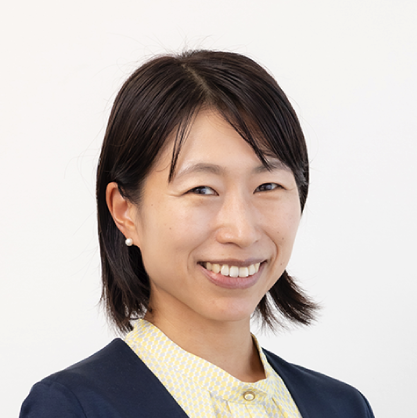
Nichirei
Diversity Promotion
Well-being
Management Promotion Office
Assistant Leader
Ami Sonoda
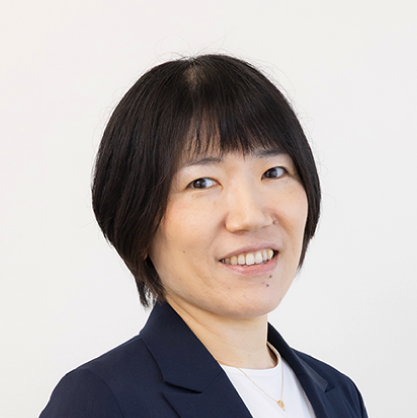
Nichirei
Diversity Promotion
Well-being
Management Promotion Office
Assistant Leader
Yoshimi Yoshida
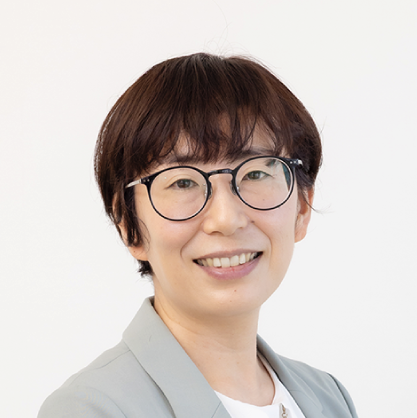
Nichirei
Diversity Promotion
Well-being
Management Promotion Office
Occupational Health Nurse
Sayaka Kanazawa

Nichirei
Diversity Promotion
Well-being
Management Promotion Office
Occupational Health Nurse
Manami Shirata
Addressing Each Individual’s Health Challenges Through Policy Measures
Since 2015, the Nichirei Group has regarded maintaining and promoting employee health as one of its management priorities and has been committed to health management.
Currently, in addition to preventing employee illness and injury, we aim to build an organization where every individual can confidently demonstrate their abilities, considering factors such as “workplace comfort” and “job satisfaction.”
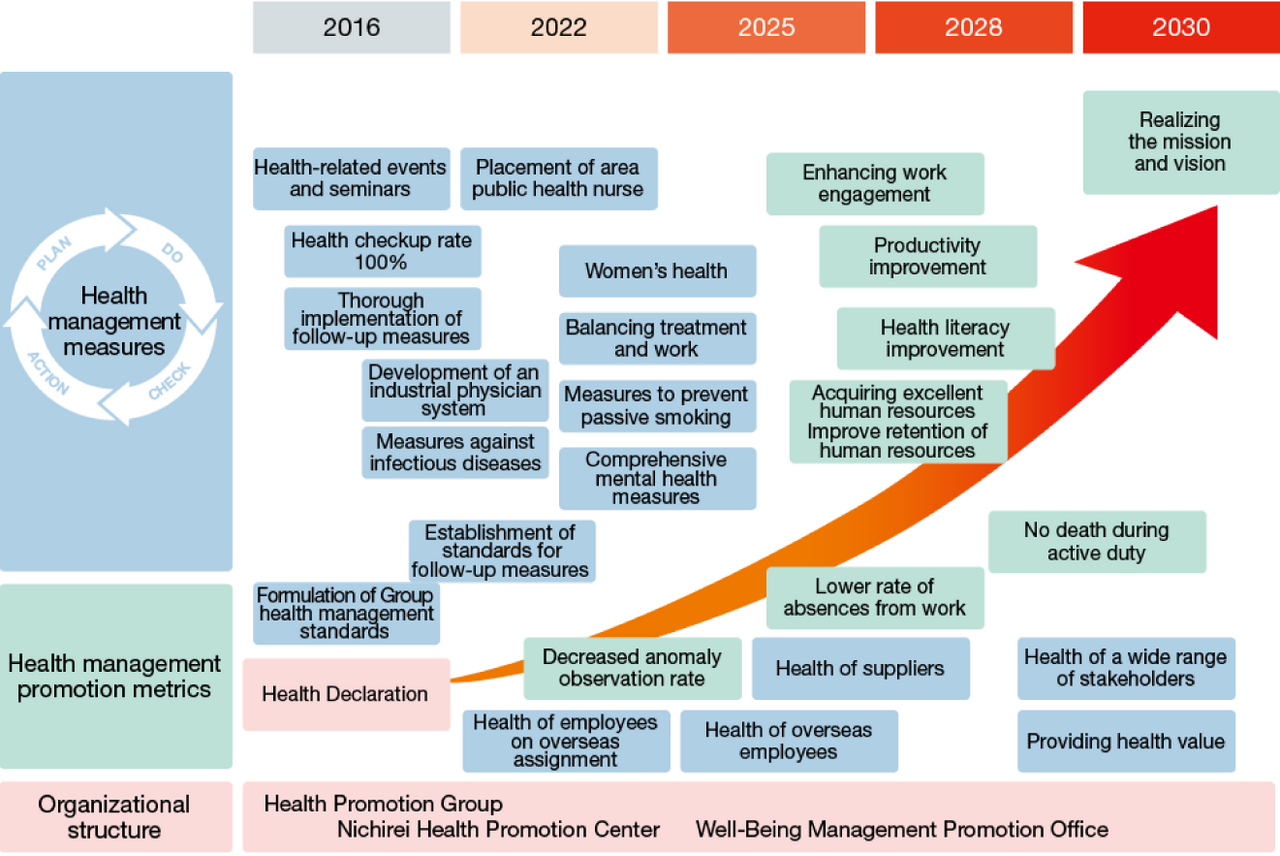
Roadmap for Promoting Well-being focused Management
The Well-being Management Promotion Office has been working to develop and implement key initiatives through collaborative discussions between the Planning and Promotion Team and occupational health nurses.
Each of these initiatives was born out of health challenges identified through employee feedback and data.
Ensuring access to the right treatment
Within the Nichirei Group, for example, we have provided follow-up support—including consultations with occupational health nurses and assistance with treatment—to employees classified as “employees meeting the criteria for work restrictions,” who have received an “E” rating—the most severe classification in health checkups—and for whom adjustments to their work duties must be considered.
However, there have been cases where employees—even when their blood sugar or blood pressure readings were extremely high—did not begin necessary treatment or discontinued treatment on their own initiative.
Therefore, in 2021, we established the “Standards for Work-Related Measures for Employees Meeting the Criteria for Work Restrictions.”
If regular treatment or medical visits cannot be confirmed, restrictions are placed on overtime work, work on holidays, and business trips. We have established a system whereby these work restrictions are lifted for employees who can confirm they are receiving regular medical care and treatment.
That said, imposing work restrictions inevitably affects business operations.
Therefore, we have established a system to lift work restrictions as soon as possible once we confirm the medical visit status of affected employees. Additionally, we provide support—such as regular consultations with occupational health nurses—to ensure employees can continue necessary treatment.
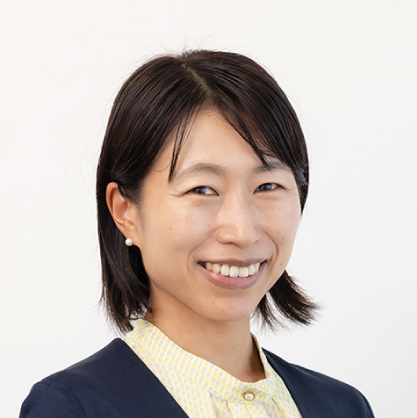
Sonoda notes that since the standards were established, the percentage of employees requiring consideration for work-related adjustments—“employees meeting the criteria for work restriction”—has gradually improved, falling from 2.1% to 1.2% over the six years since 2020.
Sonoda
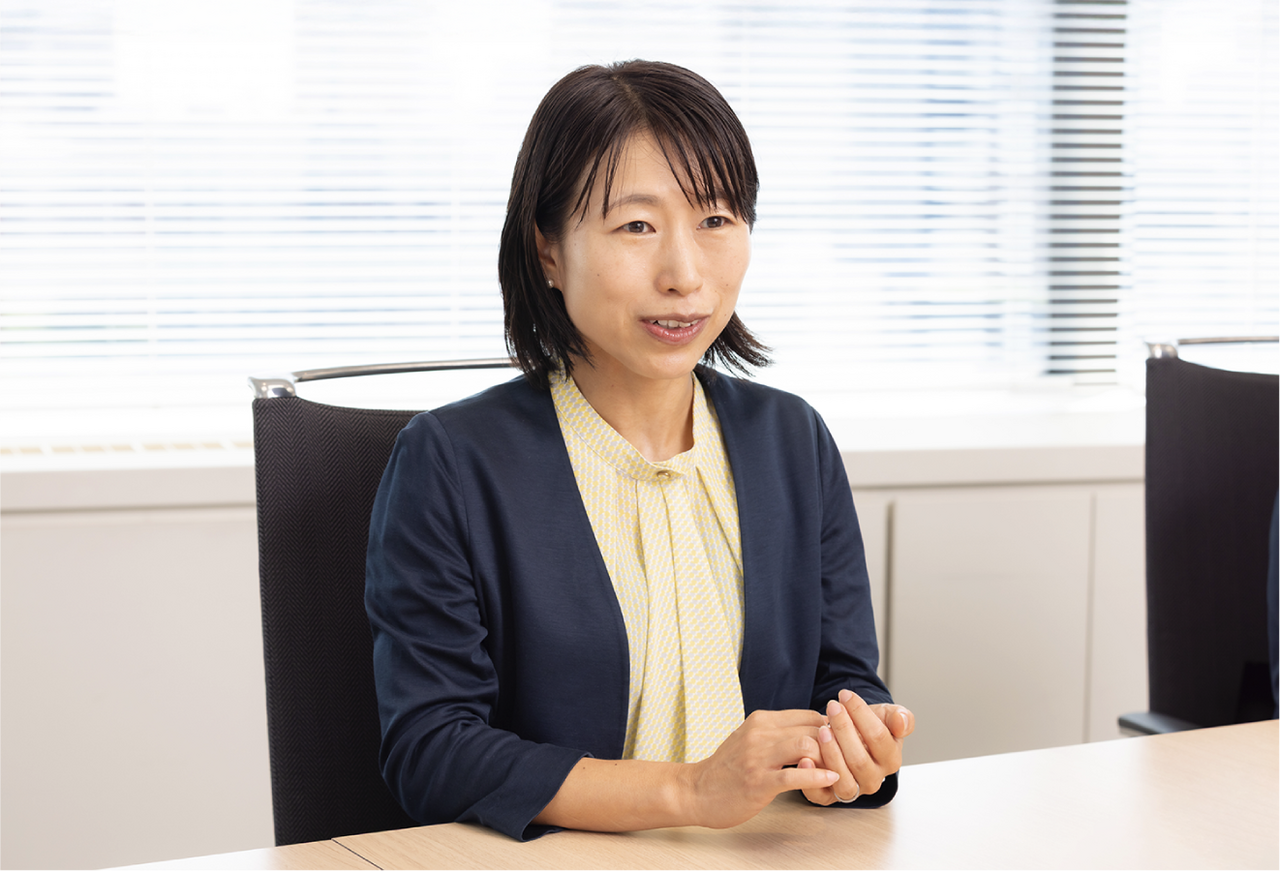
Providing health education opportunities to more employees
In addition, we are actively implementing initiatives to improve the health literacy of each and every employee.
One such initiative is the “Health Academy,” which we have been running since fiscal year 2016.
To date, the Nichirei Group has provided a variety of learning opportunities covering topics such as the prevention of lifestyle-related diseases, sleep, men’s and women’s health, mental health, and balancing treatment with work.
Starting in fiscal year 2022, we have also been holding optional one-day events for employees—such as those working in factories who do not have work email addresses—where we conduct on-site physical fitness tests and vascular age assessments.
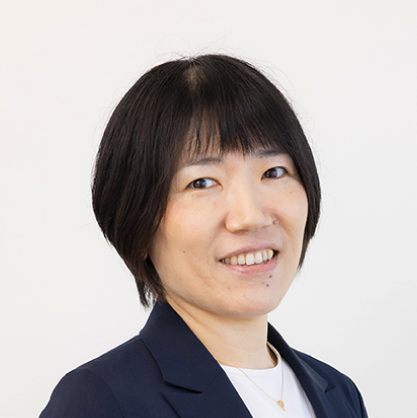
Yoshida
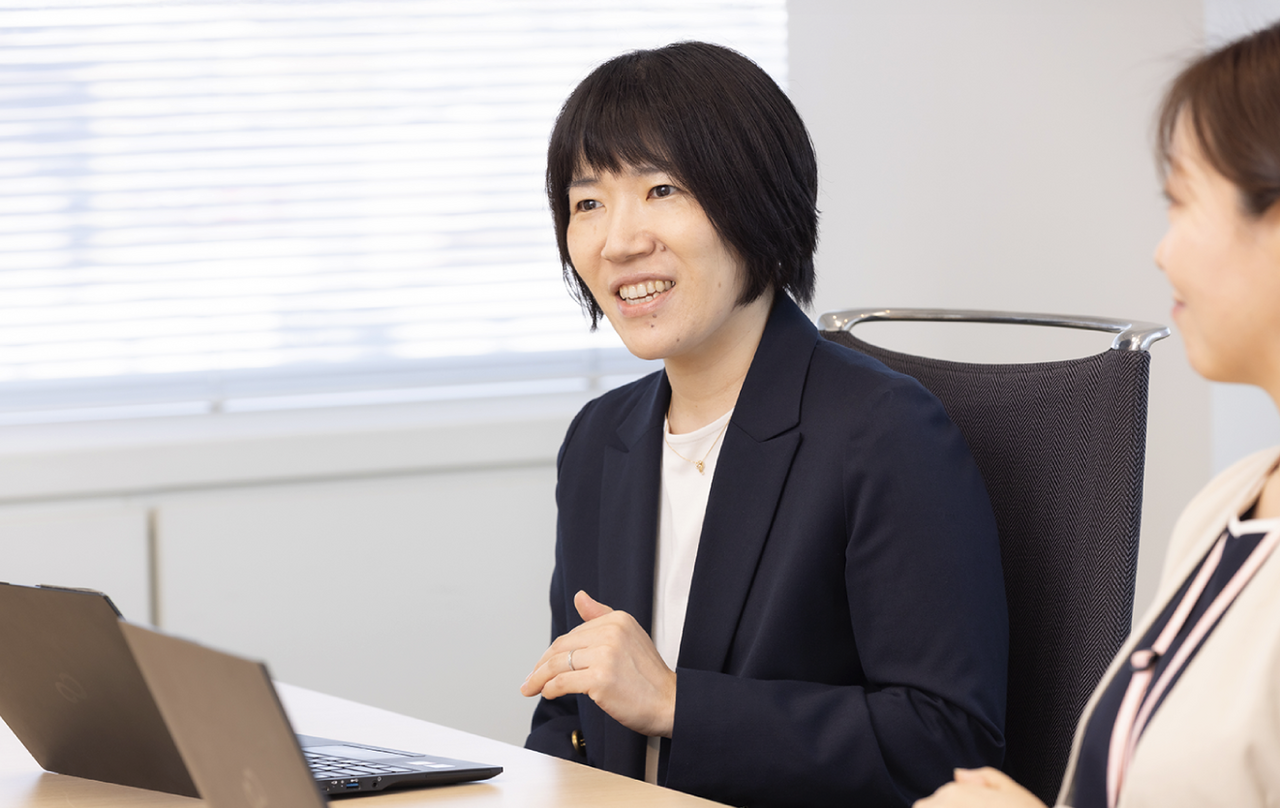
To that end, we have also launched an e-learning program for all employees to learn basic health knowledge and concepts related to well-being.
We are making every effort to ensure that this information reaches as many employees as possible, such as by distributing printed materials to offices without email access.
Transforming health management from something you struggle with alone into something everyone can enjoy together
In addition, within the Nichirei Group, “providing support to employees with high BMI* based on the results of health checkups” had become a key challenge.
*BMI (Body Mass Index) is a body composition index calculated from height and weight; it is an international indicator used to assess obesity and underweight conditions.
Therefore, starting in 2024, the Group launched an initiative using the meal management app “Asuken” to encourage employees to log their meals and exercise in the app and review their nutritional balance and calorie intake. To encourage continued participation, we’ve implemented incentives such as a lottery among employees who meet the criteria to win “Kikubari Gozen,” a line of healthy foods developed by Nichirei Foods that prioritizes both health and taste.
Kanazawa
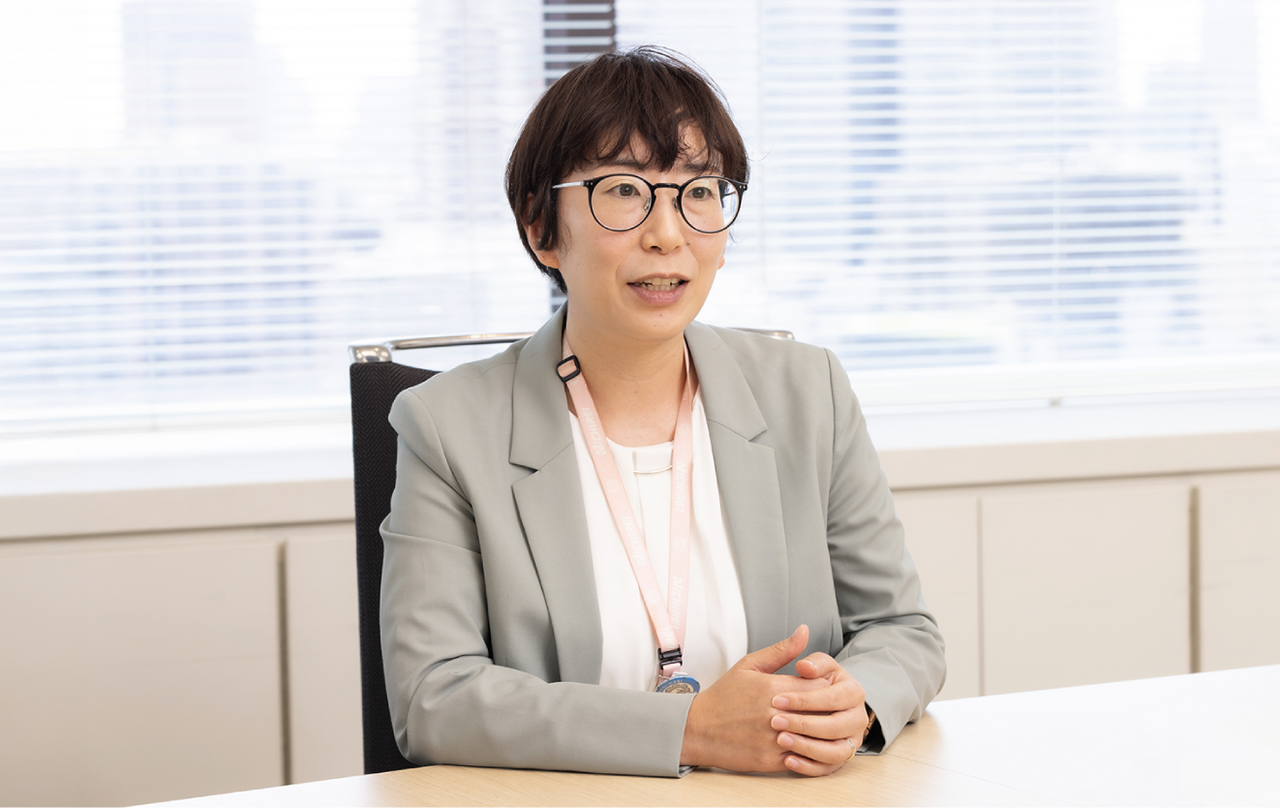
According to a survey, about half of the app’s registered users reported that they “lost weight.”
We continue to share information with the aim of increasing the number of registered users.
Connecting hard-to-detect menstrual and menopausal issues to treatment
We also provide support for health issues specific to women, such as menstruation and menopause.
This initiative was prompted by issues that came to light through a survey asking both female employees and their managers about the difficulties they face due to menstruation and menopause, as well as workplace perceptions of these issues.
“Approximately half of managers are unaware that some employees’ work performance is affected by menstrual or menopausal symptoms.”
“Many female employees who experience symptoms related to menstruation or menopause are not taking any specific measures to address them.”
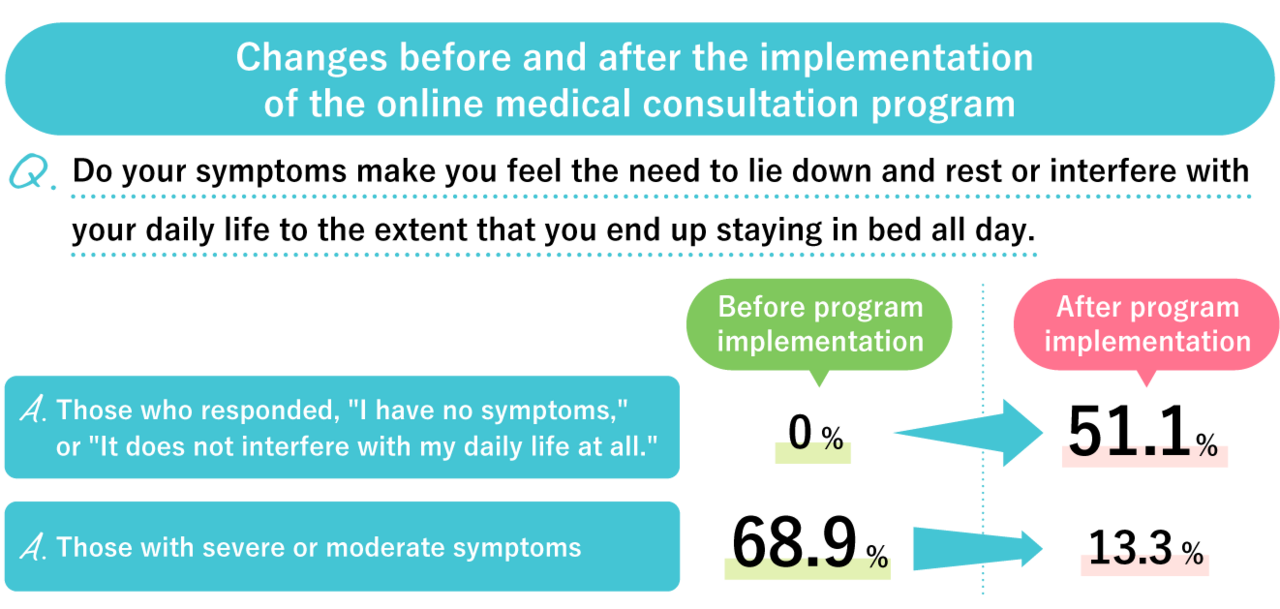
In response to this situation, we decided to introduce an online medical consultation program for menstruation and menopause starting in 2022.
This program involves a recurring series of online consultations regarding symptoms, including prescriptions for medication as needed, with the company covering the costs of both consultations and medication for one year.
We set a maximum number of participants per session and recruited participants. Since the program’s implementation, we have observed a trend toward a reduction in symptoms related to menstruation and menopause, as well as a decrease in the disruption these symptoms cause to daily life.
Furthermore, in response to employee requests, we are currently expanding our program offerings to include support for fertility and male menopause.
Creating more managers employees feel comfortable talking to
As the workplace environment and work styles continue to change, occupational health nurses are frequently receiving mental health-related consultations. Furthermore, an analysis combining the results of engagement surveys—which measure employee motivation and loyalty to the company—with those of stress checks revealed that departments with poor stress check results also had low engagement survey scores, with a lack of support from supervisors having a particularly significant impact.
Consequently, to provide early support for mental health issues, the company is now conducting “Line Care” training for managers. Through an online introductory course and group work during practical training sessions, participants learn how to respond when team members seek their advice, as well as how to practice self-care as managers.
Managers who complete the training are then appointed as “COCO Supporters” (mental health supporters).
Our goal is for all managers to complete the training over the four-year period from fiscal year 2023 to fiscal year 2026.

Shirata
Six months after the practical training, we also schedule a reflection session. We bring the same groups from the training back together to share their experiences—discussing “what was difficult to put into practice at work” and “what worked well.”
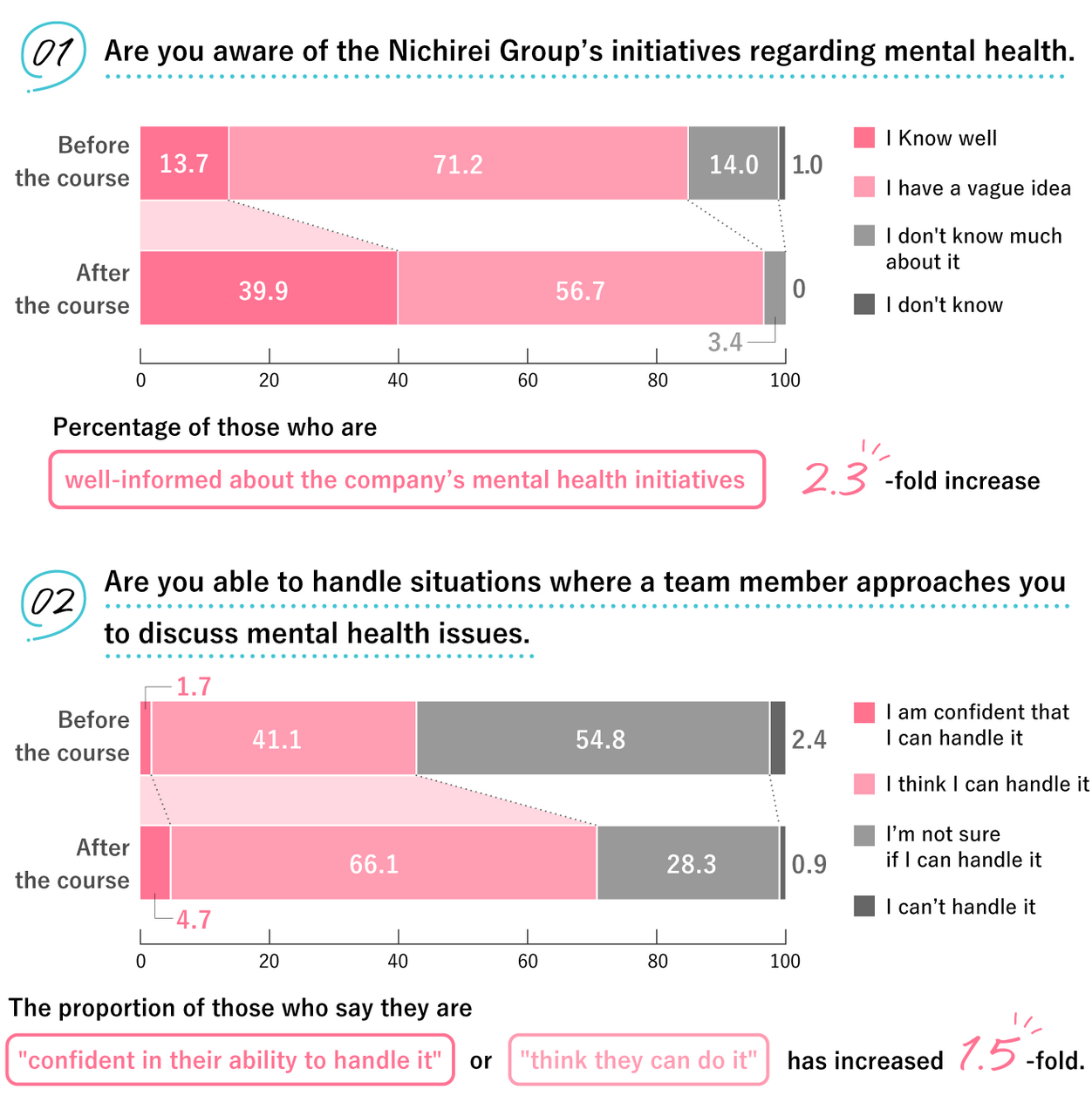
Over the three-year period ending at the end of fiscal year 2025, a total of 1,120 managers were certified as COCO Supporters. We observed improvements in their understanding of the company’s mental health initiatives and an increase in their confidence when responding to consultations from team members.
Shirata adds that moving forward, she hopes employees will continue to apply the knowledge gained through training in their daily work and to create an environment where COCO Support members can support one another.
The Well-being Management Promotion Office has expanded the scope of its initiatives and the ways it delivers them while addressing the health challenges of each individual.
The common thread in these efforts has been “identifying challenges based on employee feedback and data, implementing initiatives, and continuously refining their content and delivery methods based on the resulting feedback.”
These well-being initiatives not only underpin employee health and work performance but also lead to increased productivity and the stable retention of talent.
So, what kinds of discussions and ingenuity lie behind these initiatives?
In [Part 3: At the Forefront of Promoting Well-being-Focused Management: Team Members Share Their Perspectives on Initiatives and the Ideal Future State] (Scheduled for release in December), members of the Well-being Management Promotion Office will discuss the challenges and successes they’ve encountered while implementing these initiatives, as well as their goals for the future.
Share this article